

GPR, or GPR, is a advanced technology which has transformed the manner we investigate the ground the exterior. In Yorkshire, given that the landscape and structures are both full in historical significance and complex details, GPR surveys are playing a key role in multiple sectors from infrastructure development to archaeology. As https://landsurveysyorkshire.co.uk/ require accuracy in identifying underground features, the value of GPR surveys cannot be overstated. This article examines the various applications of GPR in Yorkshire, emphasizing its significance in boosting security, efficiency, and correctness in construction and site management.
Whether you are a manager of projects, a subcontractor, or part of a team dedicated to preserving history, grasping how GPR works and when it's necessary can give invaluable perspectives. From charting unmarked utilities to meeting regulations with community requirements, GPR surveys are crucial in eliminating costly errors and enhancing the overall success of initiatives. Join us as we discuss the important elements of GPR surveys in Yorkshire and how they are changing the field of underground investigation.
Comprehending GPR and The Uses
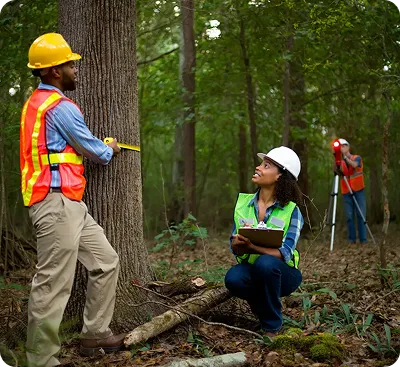
Ground Penetrating Radar, also known as GPR, is a non-destructive geophysical survey technique which uses radar pulses to map the subsurface. Such methodology has proven to be particularly important in the Yorkshire region, where the multifaceted geological conditions can obscure a number of subsurface structures and infrastructure. Through the emission of electromagnetic waves into the ground and analyzing the returned signals, GPR can reveal the locations of hidden items, variations in the properties of materials, and layering without needing the necessity for extensive earthmoving.
GPR is frequently employed in various construction and infrastructure projects, offering critical understandings before any ground disturbance happens. It is instrumental in locating non-metallic pipes and cables, which are often excluded in conventional utility maps. Additionally, GPR is effective for locating abandoned mine shafts and subsurface voids typical in the South and West Yorkshire area. Grasping the specific applications of GPR allows project managers and contractors to make educated choices and reduce risks associated with construction below the surface.
The importance of GPR is not limited to building projects. It has significant applications in historical research, allowing researchers to map unknown burial sites and archeological sites without disturb the ground. Offering clear images of what lies underneath the surface, GPR serves as a key tool for protecting the rich history of Yorkshire while ensuring safe and efficient design in contemporary development efforts.
Benefits of Ground Penetrating Radar Surveys for Building and Historical Research
Ground Penetrating Radar (GPR) studies provide essential insights for building initiatives in Yorkshire, significantly enhancing site safety and productivity. By identifying the positions of infrastructure and other subsurface structures prior to excavation, GPR helps reduce costly service hits that can delay construction schedules and lead to higher project expenses. Furthermore, the use of GPR supports adherence with regulations such as the Health and Safety Guidelines HSG47, ensuring that construction teams are aware of and can navigate risks associated with underground services.
In the realm of historical study, GPR surveys offer a non-invasive method of detecting subsurface structures, artifacts, and even unmarked graves. This technology allows archaeologists to chart historical sites precisely without disrupting the soil, thus preserving the integrity of these valuable cultural resources. In regions like Yorkshire's northern areas, where preservation of heritage is vital, GPR surveys provide vital data that informs excavation strategies and enhances the comprehension of site dynamics, contributing to more knowledgeable decision-making in archaeological fieldwork.
Additionally, GPR's ability to produce high-resolution images of subsurface features enables project managers and archaeologists to see concealed structures and anomalies. This clarity aids in developing comprehensive reports and presentations that help stakeholders understand the entirety of what lies beneath. By combining GPR findings with other technologies like topographic mapping and 3D laser scanning, professionals can create elaborate representations that enrich both building design and archaeological interpretation, further demonstrating the flexibility and significance of GPR in diverse applications.
Pricing and Considerations for GPR in Yorkshire
When planning a GPR survey in Yorkshire, understanding the associated expenses is crucial for project budgeting. The cost of a Ground Penetrating Radar survey typically varies based on several variables including the location of the site, the complexity of the subsurface conditions, and the extent of the area being surveyed. Surveys in urban areas or locations with seen challenges often demand more detailed work and consequently higher costs. On average, clients should expect to budget for pricing that account for these variables.
In addition to costs, it is essential to consider the specific requirements of your project. For example, if the goal is to locate utility lines or assess ground conditions before construction, it may be beneficial to combine GPR data with other techniques such as electromagnetic locating or site mapping technologies. This holistic approach not only enhances the accuracy of the findings but can also save time and minimize the chance of potential project delays caused by accidental utility hits or unexpected subsurface conditions.
Finally, always select a trustworthy GPR survey contractor familiar with Yorkshire's unique geological and infrastructural elements. Assessing their experience with regional projects and adherence to protocols such as PAS 128 can significantly influence the overall quality and reliability of the survey results. Ask potential contractors about their approaches, tools used, and post-survey evaluation capabilities to ensure a successful outcome for your GPR investment.