

In recent years, GPR, commonly known as GPR, is now an invaluable tool for multiple building and surveying projects across Yorkshire area. This non-destructive method allows us to look beneath the surface of the earth, giving an understanding of subsurface structures and utilities without the requirement for disturbance. As cities grow and construction projects increase in complexity, grasping the layers beneath our feet has become essential.
Whether you are a builder readying for a new project, a historian exploring archaeological sites, or a homeowner aiming to guarantee the safety of your ground work, GPR surveys provide extensive information. From finding concealed utility lines and old mine shafts to evaluating concrete structures and documenting undocumented features, the uses for GPR technology are wide-ranging and diverse. In this write-up, we will explore the various aspects of GPR surveys in Yorkshire, detailing their importance, methodologies, and the ideal approaches for guaranteeing successful results in any subsurface investigation endeavor.
Understanding Ground Penetrating Radar Surveys in the Yorkshire Region
Ground Penetrating Radar surveys are an important technique in the Yorkshire Region for multiple applications, particularly in infrastructure and historic preservation. GPR utilizes high-frequency electromagnetic signals to advance into the soil and provide comprehensive pictures of below-surface features and infrastructures. This technique permits surveyors to locate and outline underground components, including pipes, cables, and even voids, which is essential for preventing expensive and risky utility damages during excavation projects.
In the Yorkshire Region, the need for GPR assessments is notably important due to the region's complicated geology and varied construction background. Soil types, like clay and water content, can considerably impact the depth of penetration and the accuracy of the data obtained. Understanding the regional context allows surveyors to refine their technique and secure precise data, which makes GPR an valuable method for land assessment and risk management.
Additionally, adhering to standards such as the PAS 128 guidelines for utility location is crucial for meeting regulations and safety on construction sites in Yorkshire. GPR assessments, when combined with other technologies like electromagnetic locating and topographic mapping, offer thorough understanding into subsurface conditions. GPR Surveys Yorkshire integrated method not just enhances project preparation but also assists historic preservation efforts, as GPR can be used to examine ancient sites and forgotten burials across the area.
Implementations of Ground Penetrating Radar in Construction and Historical Research
GPR has become an indispensable tool in the building sector, providing key insights before excavation commences. In Yorkshire, Ground Penetrating Radar surveys help locate the position of subsurface services such as non-metallic pipes and cables, which can prevent expensive utility strikes during building work. The ability to see underground environments allows project managers to organize secure and effective workflows, thus minimizing delays and likely risks on-site. Additionally, GPR inspections can evaluate the strength of concrete slabs, uncovering the existence of rebar, post-tension cables, and conduits that need to be taken into account during coring or drilling activities.
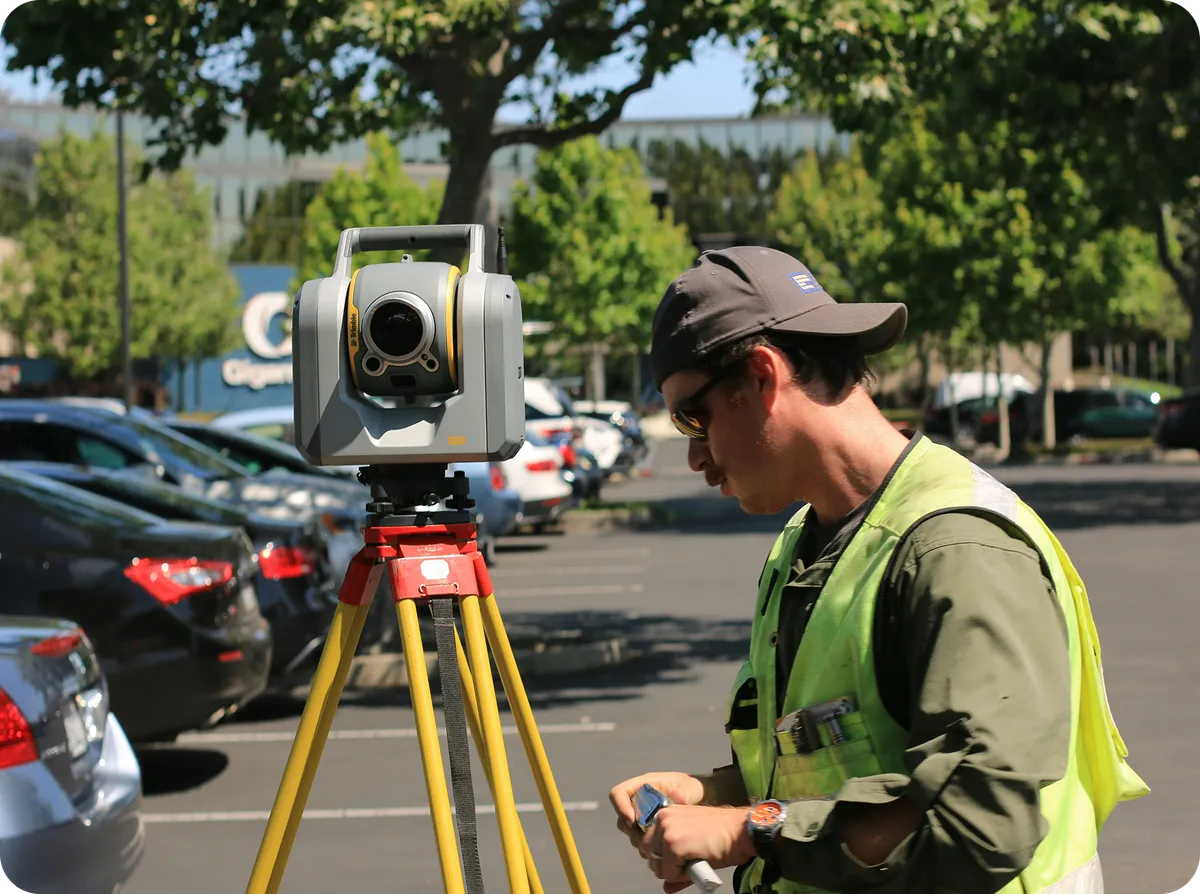
In historical research, Ground Penetrating Radar plays a significant role in uncovering cultural artifacts while not disrupting the area. It has been notably effective in locating grave plots and unidentified burials in ancient churchyards across the Yorkshire region, allowing archaeologists to catalog important findings while preserving the authenticity of the site. Furthermore, GPR can identify underground voids and other abnormalities that may point to previous human activity, providing clues into past landscapes and historical locations without destructive excavation methods.
In addition to construction and archaeology, GPR also offers applications for environmental assessments and soil investigations. In the city of Leeds and Sheffield, for instance, Ground Penetrating Radar surveys can ensure safe borehole and trial pit clearance by detecting hazards like discarded mine shafts or underground voids. This versatile approach boosts safety and adherence with standards such as HSG47, making GPR a vital resource for various sectors. By integrating GPR inspections with other techniques like electromagnetic locating and topographic mapping, Yorkshire-based experts can achieve thoroughly site assessments customized to their particular needs.
Cost and Factors for GPR Surveys
The expenses of GPR surveys in Yorkshire can vary based on various factors, including the extent of the site being surveyed, the difficulty of the site, and particular requirements of the project. Generally, less extensive projects or simple surveys are more affordable, while larger or more challenging sites, like those with dense urban infrastructure, may incur higher expenses. It is essential to get quotes from various survey contractors to ensure a reasonable rate.
When preparing for a GPR survey, considerations such as location accessibility, the presence of underground services, and potential environmental impacts must be assessed. Understanding of recommended you read in financial planning but also helps facilitate a less complicated survey process. Working with local survey specialists can provide information into distinct challenges or opportunities specific to the Yorkshire environment.
Finally, understanding your project's specific needs is crucial to making wise decisions regarding GPR surveys. Take into account factors like desired depth of investigation, types of items to be identified, and the extent of detail necessary in the final report. Tailoring the approach to these considerations can lead to enhanced outcomes and significant cost savings, eventually maximizing the return of the GPR survey.