

In the heart of Yorkshire's lush landscape, beneath the gentle slopes and bustling towns, lies a hidden world waiting to be unraveled. Ground Penetrating Radar, commonly known as Ground Penetrating Radar, has emerged as an essential tool for uncovering the hidden truths lying just beneath the surface. Whether for construction projects, archaeological investigations, or nature assessments, GPR provides a harmless means of scanning the subsurface, making it crucial for various applications across the territory.
As the demand for construction grows, so does the need for careful planning to avoid significant pitfalls and ensure public safety. Understanding how GPR scans work, when to use them, and their significance in adhering to standards such as PAS 128 guidelines can be pivotal for project coordinators and builders alike. This article delves into various aspects of GPR surveys in Yorkshire's expansive landscape, from identifying non-metallic pipes and disused mine shafts to assessing heritage sites and ensuring adherence to safety standards. Join us as we explore the captivating ways GPR is influencing the future of building and maintenance in the region of Yorkshire.
Understanding Ground Penetrating Radar Studies in Yorkshire
Ground Penetrating Radar (GPR) surveys serve a critical function in understanding subsurface conditions in the Yorkshire region. This non-invasive technology utilizes radar signals to map the underground, providing vital insights about buried structures, infrastructure, and geological characteristics. With the diverse landscape and historic importance of Yorkshire, GPR investigations become essential for building, archaeology-related, and environmental projects. The capacity to reveal concealed layers beneath the surface not only assists in planning but also improves safety measures during excavations.
In the Yorkshire region, GPR is particularly efficient at locating non-metallic tubes and cables before any ground excavation takes place. This ability helps contractors avoid damaging essential subsurface infrastructure, which can lead to expensive setbacks and dangers. The obstacles posed by different soil compositions, such as clay and moisture levels, influence the efficacy of Ground Penetrating Radar. However, with Topographic Surveys Halifax Yorkshire and tools, inspectors can adapt to these conditions to achieve accurate findings.
As mapping guidelines evolve, following standards like the PAS 128 standard is essential for making sure that GPR surveys satisfy professional standards. These standards help simplify processes for construction projects while ensuring adherence with safety standards. By understanding the significance of GPR surveys and how they can be utilized efficiently, stakeholders in Yorkshire can make well-informed choices that support their projects and the broader community.
Uses of GPR Technology
GPR is a versatile tool frequently employed in multiple domains, especially in construction and infrastructure development. In North Yorkshire, GPR plays a key role in mapping utilities, providing accurate locations of subsurface services such as H2O, gas lines, and electricity lines. This technology helps prevent costly utility hits during digging, safeguarding both workers and existing infrastructure. By analyzing subsurface conditions, GPR surveys enable project managers to make educated decisions and enhance the safety of construction sites.
Another significant application of GPR is in the field of archaeology, where it is used to find historical features and items without digging. In the North of Yorkshire, GPR has been applied to map grave plots and unmarked burials in historic churchyards, providing insights into the region's cultural heritage. PAS 128 Surveys Middlesbrough Yorkshire allows scientists to evaluate areas of interest, preserving the integrity of the site while revealing valuable data about historical societies.
GPR technology is also vital in soil investigations, where it assists in assessing ground conditions and identifying potential subsurface cavities, including old mine tunnels. This application is particularly important in South and West Yorkshire, where land can be damaged by historic mining activities. By merging GPR data with findings from drill holes and exploratory pits, engineers can gain a clearer picture of the subsurface landscape, leading to safer construction practices and better site preparation.
Ensuring Conformance & Safety during Ground Investigations
Within Yorkshire, compliance with regional regulations and safety norms is crucial for any ground investigation project, particularly when utilizing ground penetrating radar technology. It's essential to acquaint oneself to the HSG47 protocols, which assist prevent risks associated with subsurface utilities on construction sites. Following to these protocols does not only ensure the safety of workers and also reduces the risks related to interfering with utilities, which can lead to significant setbacks and monetary repercussions.
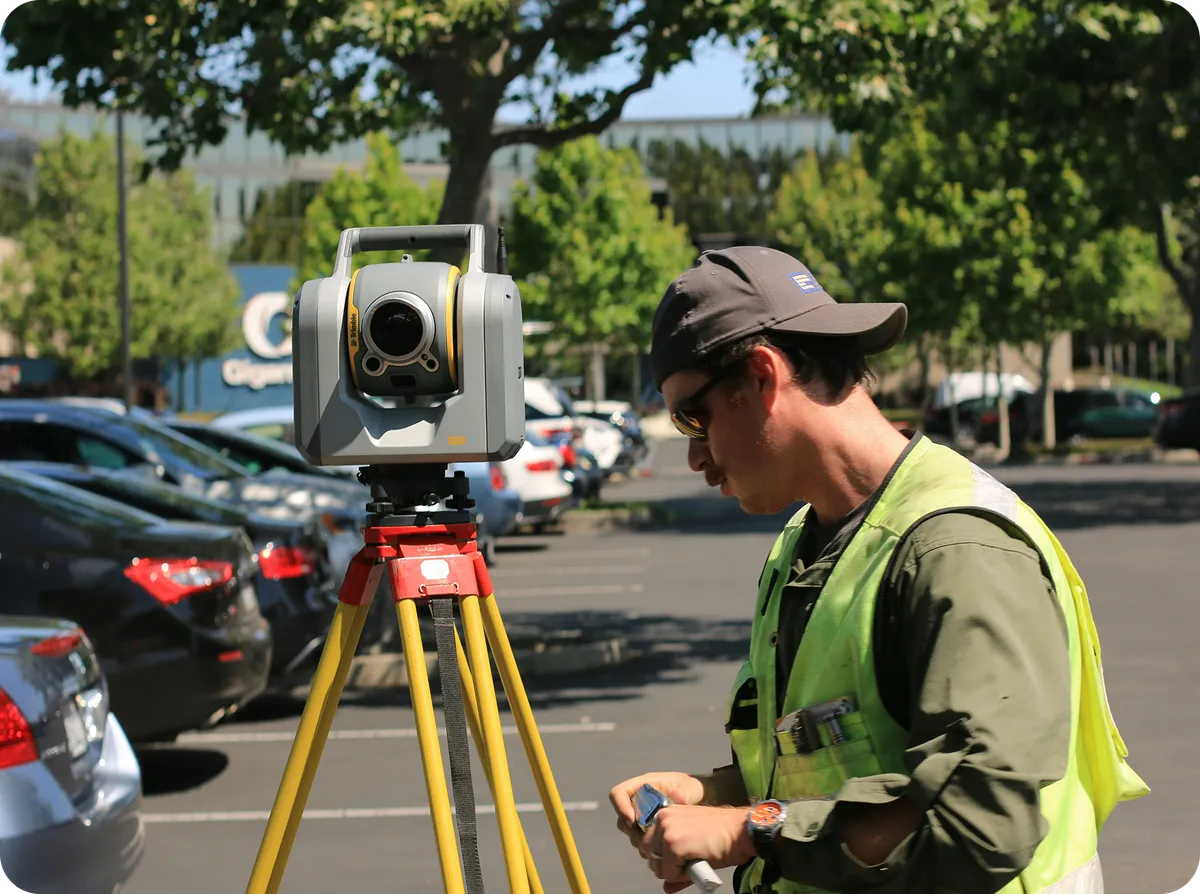
Furthermore, comprehending the PAS 128 utility mapping standards is vital for project managers overseeing construction in Yorkshire. These guidelines outline the best practices for detecting and mapping underground utilities, ensuring that all risks are addressed before excavation. Applying these standards significantly enhances the safety of excavation activities and ensuring that projects maintain adherence with professional standards, providing important peace of mind.
Finally, hiring experienced experts while conducting GPR surveys is essential to ensure compliance & safety. These professionals are equipped with the required skills to analyze the data correctly and deliver detailed reports that emphasize potential underground hazards. By sourcing a qualified GPR survey contractor who adheres to best practices & maintains a robust safety culture, construction teams in the Yorkshire region can manage subsurface issues with confidence, leading to effective and compliant project execution.