

In the heart of Yorkshire's picturesque countryside, beneath the undulating hills and bustling towns, lies a secret world waiting to be unraveled. Ground Penetrating Radar, commonly known as the GPR system, has emerged as an indispensable tool for uncovering the secrets lying just beneath the surface. Whether for construction projects, archaeological investigations, or nature assessments, GPR provides a gentle means of scanning the subsurface, making it extremely beneficial for diverse applications across the territory.
As the demand for construction grows, so does the need for careful planning to avoid significant pitfalls and ensure secure practices. Understanding how GPR inspections work, when to use them, and their significance in adhering to standards such as PAS128 can be crucial for construction managers and contractors alike. This article examines various aspects of GPR surveys in Yorkshire's expansive landscape, from locating non-metal pipes and abandoned mine shafts to inspecting heritage sites and ensuring compliance with safety regulations. Join us as we uncover the fascinating ways GPR is molding the future of construction and protection in the Yorkshire locale.
Comprehending GPR Studies in the Yorkshire region
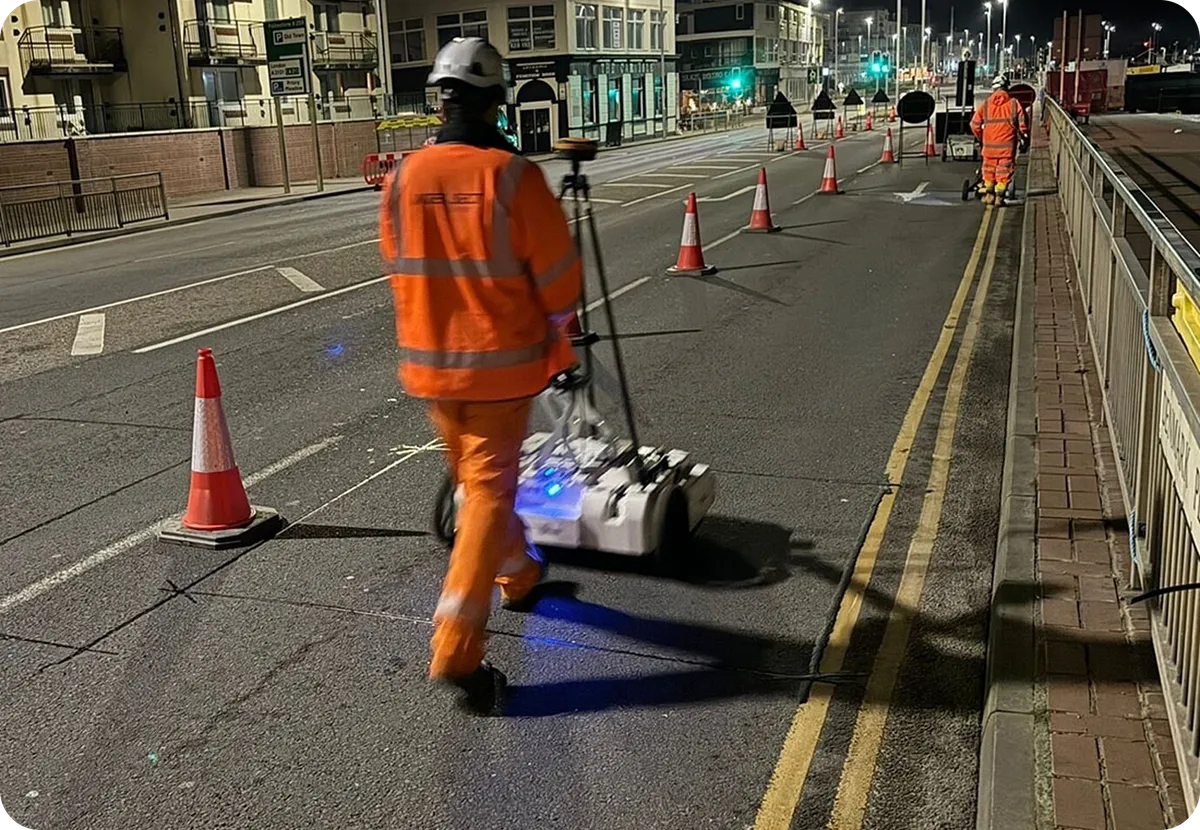
Ground Penetrating Radar investigations play a crucial function in understanding subsurface conditions in Yorkshire. Topographical Surveys Yorkshire -invasive technology employs radar signals to image the underground, providing essential information about buried structures, utilities, and geological characteristics. With the heterogeneous landscape and historical significance of the region, Ground Penetrating Radar investigations become crucial for building, archaeological, and environmentally-focused initiatives. The ability to unveil hidden layers beneath the surface not only aids in planning but also improves safety measures during excavations.
In Yorkshire, Ground Penetrating Radar is particularly effective at finding non-metallic tubes and cables before any ground excavation takes place. This ability helps contractors avoid harming essential underground utilities, which can lead to expensive setbacks and dangers. The obstacles posed by varying soil types, such as clay and moisture levels, affect the efficacy of Ground Penetrating Radar. However, with adequate methods and equipment, surveyors can adjust to these conditions to obtain precise findings.
As utility mapping standards evolve, following standards like PAS 128 is crucial for ensuring that Ground Penetrating Radar studies meet professional standards. These standards help streamline processes for construction projects while ensuring compliance with safety standards. By understanding the significance of Ground Penetrating Radar investigations and how they can be applied efficiently, stakeholders in the region can make informed decisions that support their projects and the wider society.
Uses of Ground Penetrating Radar
GPR is a versatile tool widely used in various fields, especially in building and infrastructure development. In West Yorkshire, GPR plays a key role in utility location, providing accurate locations of buried services such as H2O, gas lines, and electrical services. This technology helps prevent costly utility hits during digging, safeguarding both workers and existing infrastructure. By visualizing subsurface conditions, GPR surveys enable construction managers to make informed decisions and enhance the well-being of work sites.
Another important application of GPR is in the field of historical research, where it is used to find ancient structures and artifacts without disturbing the ground. In Yorkshire's northern region, GPR has been employed to map grave plots and undocumented burials in historic graveyards, providing understanding into the region's historical background. This gentle method allows archaeologists to assess areas of interest, preserving the originality of the site while discovering valuable data about ancient cultures.
GPR technology is also essential in soil investigations, where it assists in evaluating ground conditions and identifying potential subsurface voids, including abandoned mine shafts. basics is particularly significant in South and West Yorkshire, where land can be affected by historic mining activities. By combining GPR data with findings from boreholes and trial pits, engineers can enhance their understanding of the subsurface landscape, leading to more secure construction methods and enhanced site readiness.
Ensuring Conformance and Security in Ground Investigations
In Yorkshire, compliance with regional regulations & safety standards is essential for any ground investigation project, especially when utilizing ground penetrating radar technology. It's important to familiarize oneself with the Health and Safety Guidelines 47 protocols, which assist avert risks associated with underground services on construction sites. Following to these protocols does not only ensure the safety of construction personnel but also mitigates the threats associated with utility strikes, which can lead to significant setbacks as well as monetary losses.
Additionally, understanding the PAS 128 utility surveying standards is crucial for project managers overseeing construction in Yorkshire. These standards outline the preferred practices for identifying & mapping underground services, ensuring that all risks are addressed before breaking ground. Implementing these protocols significantly enhances the security of excavation activities and ensuring that projects maintain adherence with industry expectations, providing important reassurance.
Lastly, hiring skilled experts while conducting GPR surveys is essential to ensure compliance & safety. These experts are equipped with the necessary skills to interpret the data correctly and deliver detailed reports that highlight potential underground risks. By employing a qualified GPR survey contractor who follows best practices and maintains a strong safety culture, construction teams in Yorkshire can manage subsurface issues with confidence, leading to effective & regulated project execution.